Buyer's Guide to planning your custom home project
Determining the Optimal Home Builder: Your Instruction to Dream Homes
Locating the perfect home builder is a essential phase in realizing one's dream living space. It requires careful evaluation and detailed research. A wide range of elements come into play, from a builder's experience to their approach to communication. Comprehending these elements can significantly influence the building process. As one works through this intricate process, certain key aspects require consideration to ensure a successful outcome. What should one prioritize to make an informed choice?
What's the Best Way to Start Looking for a Home Builder?
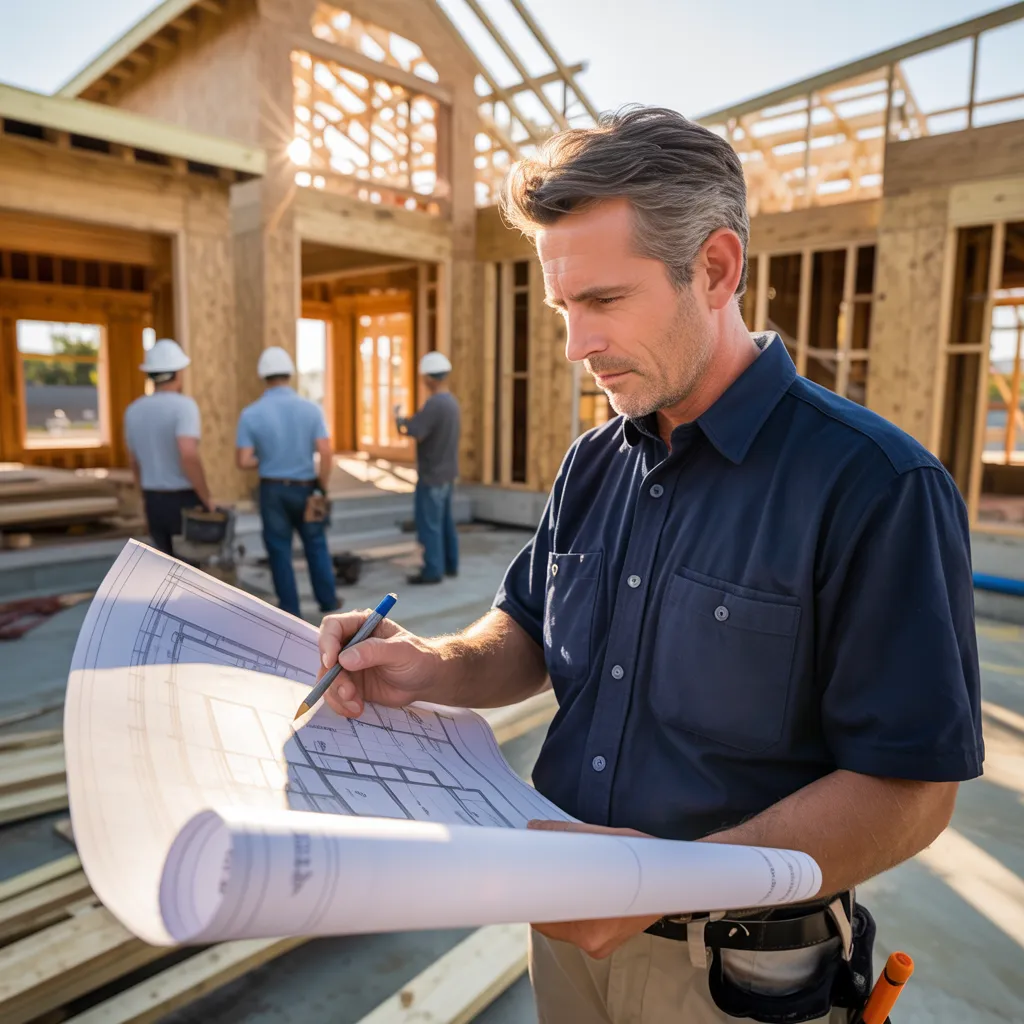
In what manner does one initiate the expedition to find the most suitable home builder? The foundational component consists of executing rigorous research to spot capable applicants. Future home purchasers should utilize digital resources, including reviews and testimonies, to judge the reputation of numerous builders. Networking could likewise be beneficial; soliciting recommendations from friends, family, or real estate professionals often provides reliable options.
Next, people ought to attend local home shows or open houses, offering hands-on knowledge of a builder's work. It is crucial to establish complete info a shortlist of builders who match personal preferences and project requirements.
Once this list is established, homeowners can prepare to reach out for professional consultations. During these sessions, discussing previous projects, project timeframes, and communication styles can reveal much about each contractor's methodology. This foundational stage is important, paving the way for a successful construction journey ahead.
Essential Benchmarks for Appraising Home Builders
Evaluating home builders requires a systematic method to guarantee that the selected candidate meets particular requirements and expectations. Key criteria include experience, reputation, and construction quality. A builder's portfolio should display completed projects that match the desired style and functionality.
Client references and feedback from previous clients offer insight into reliability and customer satisfaction. It is also critical to evaluate the contractor's communication abilities and responsiveness, as these characteristics can significantly influence your overall experience.
Moreover, understanding the contractor's protection plans and adherence to local building codes is important for long-term peace of mind. Financial stability should not be disregarded; a reputable builder will have robust financial backing, enabling them to complete projects on time and within budget. By focusing on these criteria, potential homeowners can make well-informed decisions when picking the right builder for their dream home.
Discovering Custom Solutions in Home Design
Which factors shape the customization options available in home design? Multiple factors contribute significantly, such as the builder’s experience, the materials used in construction, and the local building regulations. Established builders commonly present a wider range of customization options because of their developed networks with suppliers and subcontractors. Also, the kind of home—whether a single-family home or a multi-family unit—can affect the degree of customization offered.
Homebuyers should also weigh the schedule for construction, as more detailed designs may lengthen the building process. Geographic location can affect available styles and materials, as particular designs may be more suitable or advantageous in specific regions. Finally, budget constraints can limit choices, as more intricate features and premium materials typically come at a higher cost. Understanding these factors can help buyers make educated decisions when exploring customization options.
Grasping Price Schemas
Grasping pricing structures is essential for homebuyers maneuvering the intricacies of the construction process. Various contractors employ different pricing models, which can significantly affect overall costs. Fixed pricing provides assurance, enabling clients to understand the total cost upfront, while cost-plus arrangement entails covering the real building expenses combined with a fixed charge, introducing opportunity for variances.
Some contractors additionally display a mixed model, blending components of both systems. Consumers should also reflect on included features and upgrades, as these can considerably determine the final price. Detailed invoices provide transparency, guiding buyers grasp where funds are allocated.
It is important for purchasers to analyze payment schedules and potential hidden costs, such as permits or site preparation. By thoroughly grasping these arrangements, home buyers can arrive at educated choices, ensuring they pick a builder whose pricing corresponds with their budget and expectations.
Why Direct Communication Matters When Picking a Builder?
Transparent communication is essential when selecting a home builder, as it nurtures trust between the client and the builder. By verifying that standards and project details are minutely discussed, parties can sidestep costly errors. Ultimately, lucidity in interaction lays the groundwork for a triumphant building experience.
Building Confidence Through Clarity
How can future home buyers ensure their concept correspond with their contractor's abilities? Establishing trust through clarity is critical in this association. Direct communication facilitates comprehension, making sure that both parties share the same construction requirements, timeframes, and architectural specifications. Property owners should communicate their preferences while carefully considering the builder's opinions and recommendations. Frequent updates and transparent conversation during the construction period further strengthen this trust, permitting for changes as necessary. Openness in sharing construction obstacles and solutions also improves this connection, making it simpler to overcome possible difficulties together. In the end, transparent dialogue both aligns visions and creates a solid base for a thriving collaboration, leading to the achievement of the property owner's ideal residence.
Steering Clear of Pricey Mix-ups
What occurs when expectations differ between homeowners and builders? Miscommunications can lead to costly delays, budget overruns, and unhappiness. Transparent communication is crucial to coordinate goals and guarantee that both parties are on the same page. Homeowners should articulate their needs, preferences, and budget constraints from the outset. Builders, in turn, must provide visible timelines, costs, and scope of work. Regular updates and open dialogue foster trust and allow for adjustments as necessary. Documenting agreements in writing helps to prevent future disputes. By prioritizing clarity, both homeowners and builders can reduce risks, leading to a smoother construction process and a more satisfying end result. Ultimately, effective communication is the foundation of a successful building experience.
Evaluating References and Ratings: Best Practices
When selecting a home contractor, verifying references and reviews is crucial for well-informed decision-making. Assessing comments from past clients gives understanding into the contractor's reliability and standard of craftsmanship. Understanding both direct references and online evaluations can greatly influence the contractor's credibility.
Importance Of Citations
enhance trust in a builder's competencies. Ultimately, thorough reference checks help secure that homeowners choose a builder who corresponds to their vision and expectations, substantially influencing their total happiness with the construction process.
Analyzing Online Reviews
How can potential homeowners effectively navigate the vast terrain of online feedback when evaluating a home contractor? First, they should seek reviews on trustworthy platforms, such as Google, Yelp, and specialized construction forums. It is critical to distinguish between authentic reviews and possibly prejudiced ones, identifying trends in feedback rather than individual comments. Homeowners should give consideration to both positive and negative remarks, focusing on recurring strengths or weaknesses highlighted by multiple reviewers. Additionally, they can examine the builder's response to criticisms, which may indicate their commitment to customer service. Finally, reaching out to past clients personally can offer deeper insights, ensuring that the builder matches the homeowner's expectations and needs.
Frequently Asked Questions
Why Should a Home Builder Have Credentials and Accreditations?
A home builder should obtain a valid construction license, professional liability coverage, and relevant certifications such as OSHA training or green building credentials. These credentials ensure compliance with safety standards and industry regulations, improving trust and professional credibility.
How much time Does the Home Building Process Usually Require?
The home building procedure typically takes six months to over a year, contingent on factors including complexity of the scope, weather conditions, and permitting delays. Each phase requires careful planning to ensure timely completion and quality results.
Can I visit Past Work Completed by the Contractor?
Yes, potential clients can often view previous projects delivered by the contractor. This enables them to appraise workmanship and design quality, aiding to guide their decision-making process and guarantee contentment with their new dwelling.
What Warranties Do Construction Companies Typically Provide on Newly Built Homes?
Builders commonly offer guarantees covering structural integrity for ten years, key systems like plumbing and electrical for five years, and workmanship for one year. These warranties offer homeowners with safeguards against defects and important fixes.
What Steps Can I Take to Keep My Construction Company On Schedule?
To secure a builder stays on schedule, one should create distinct timelines, preserve frequent communication, and introduce milestone check-ins. Tracking progress and handling delays immediately can also support keeping the project on track.